
Series 01
Faces, heads
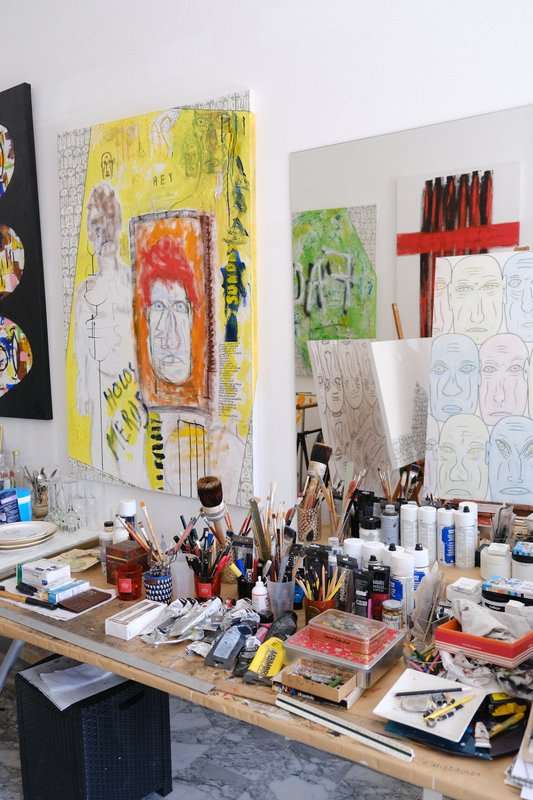
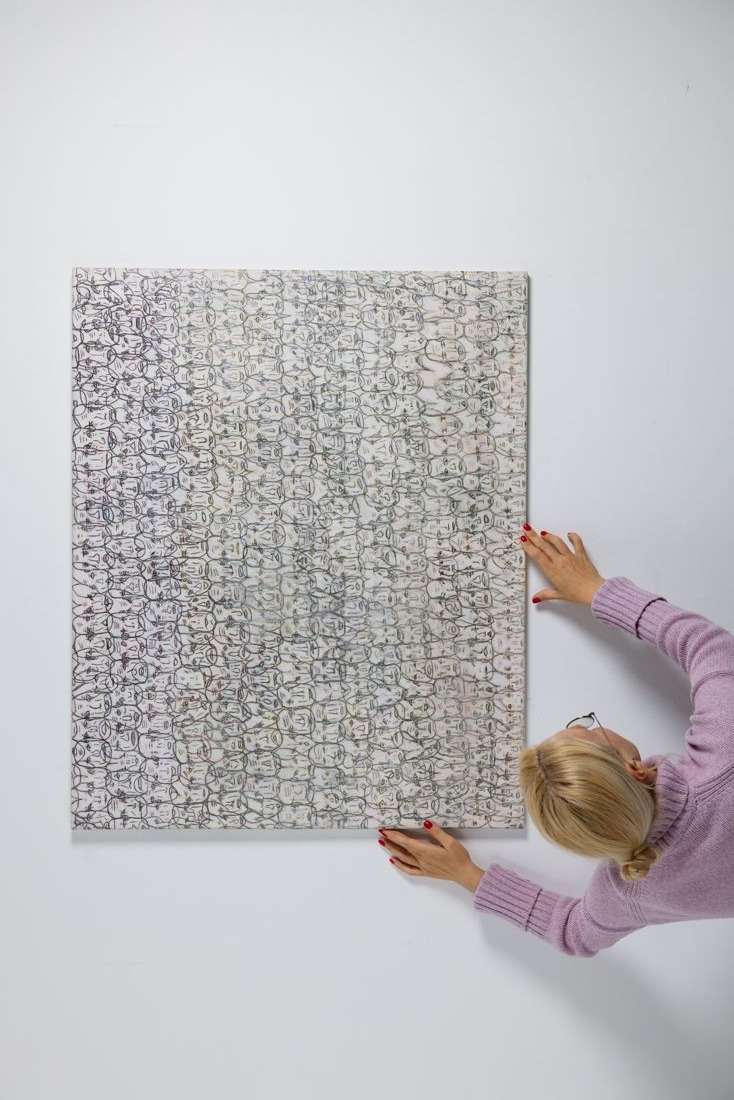
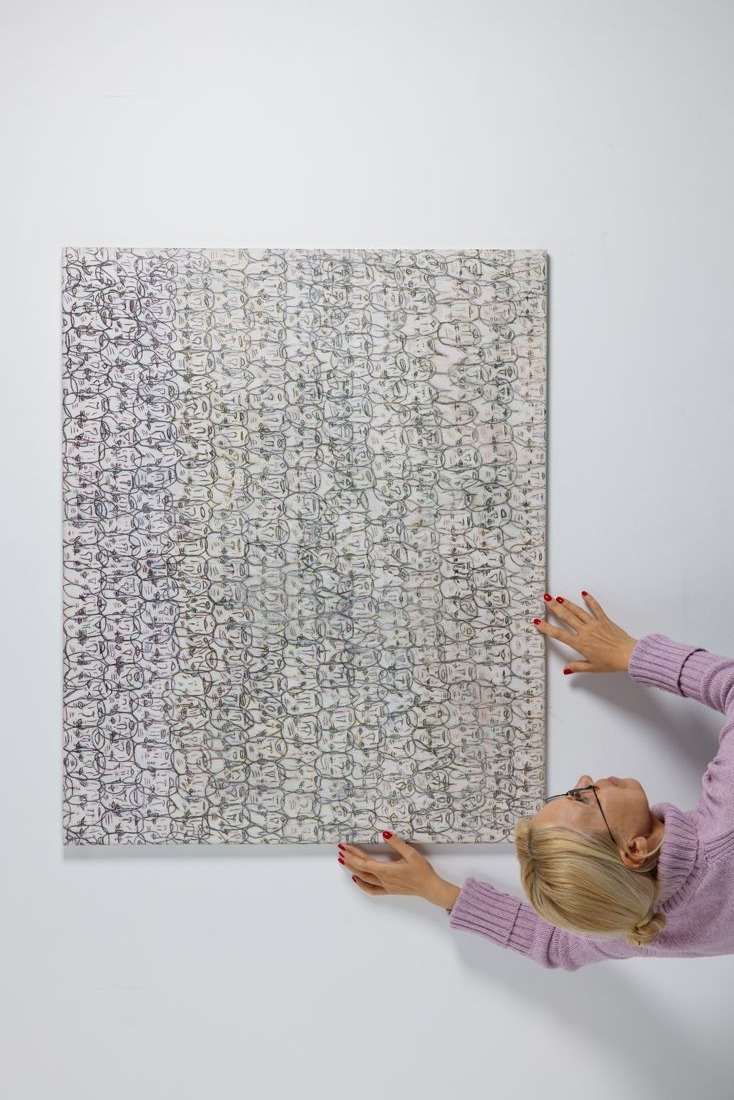
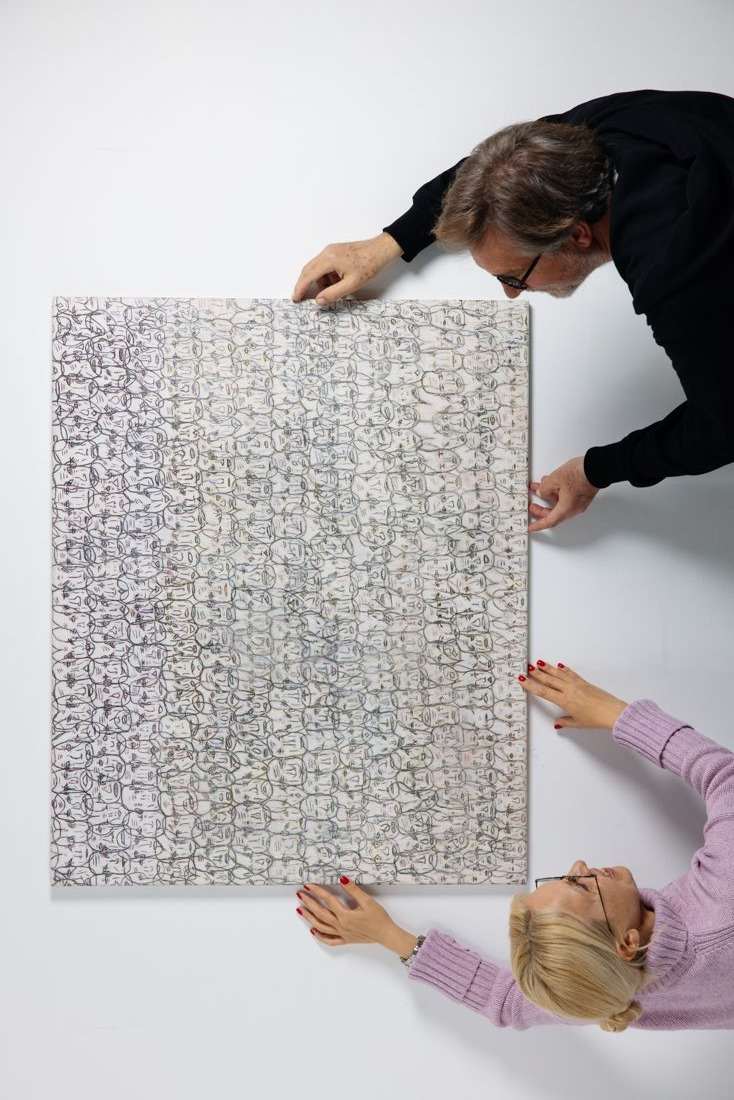
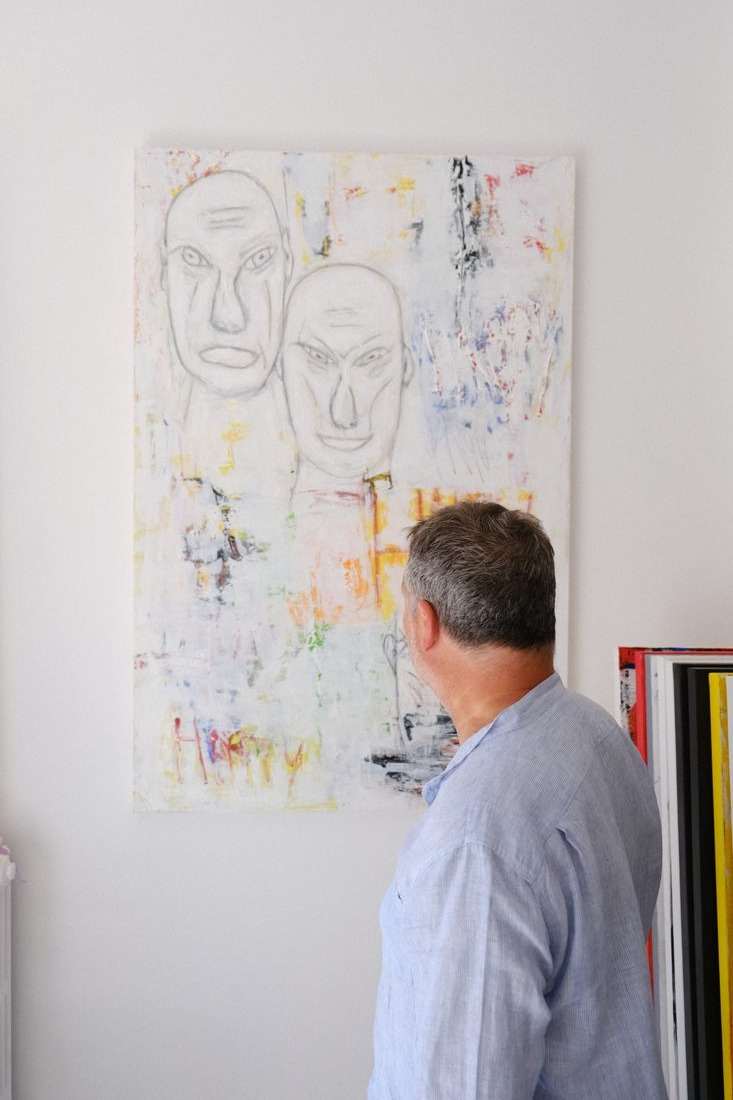
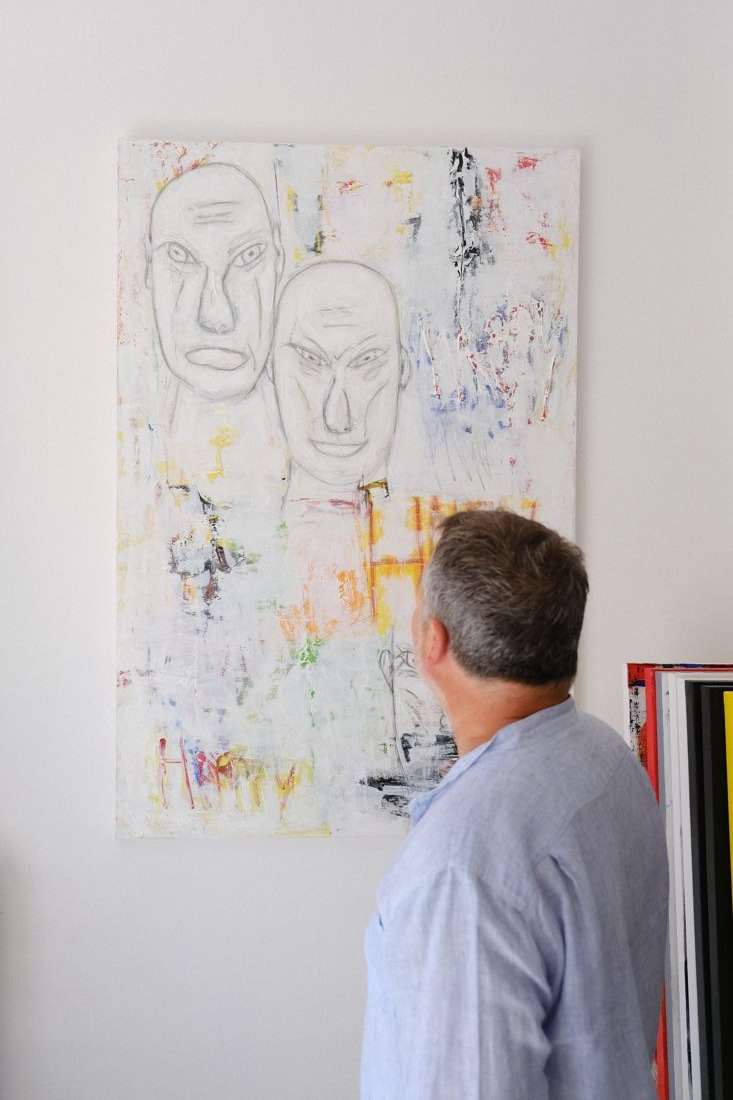
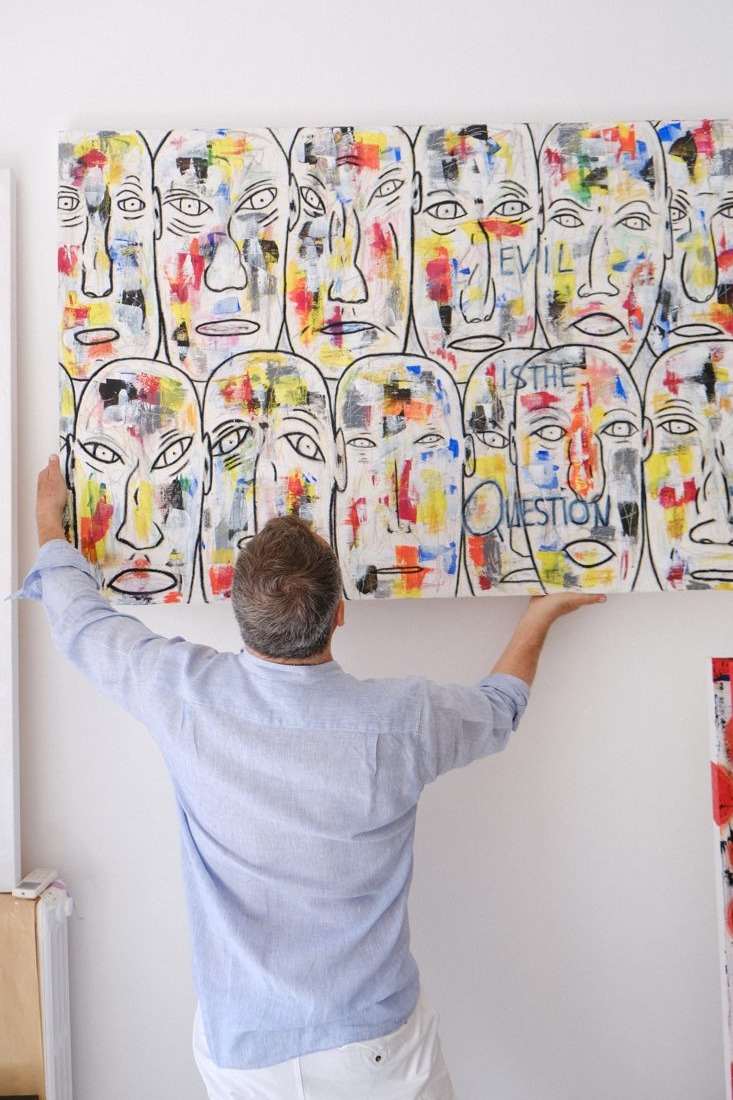
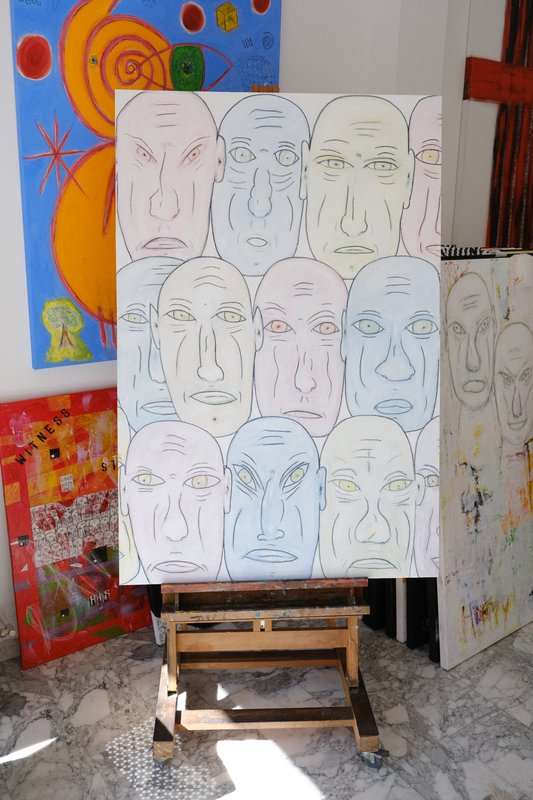
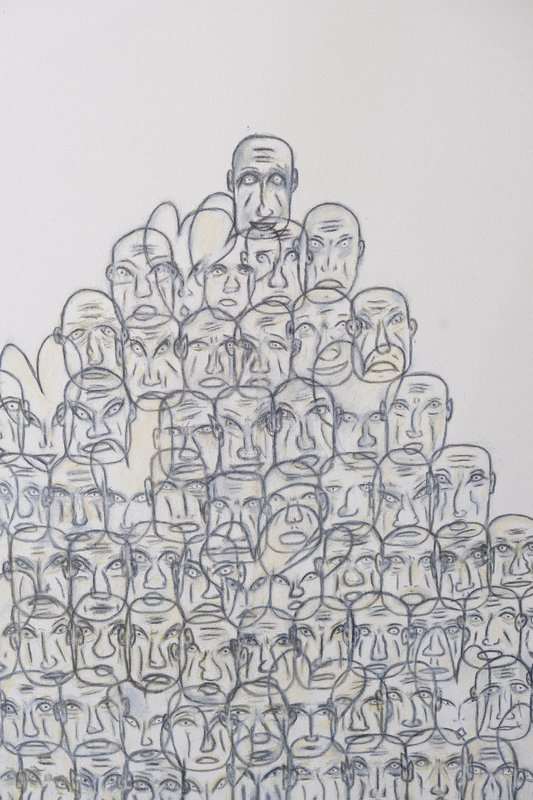
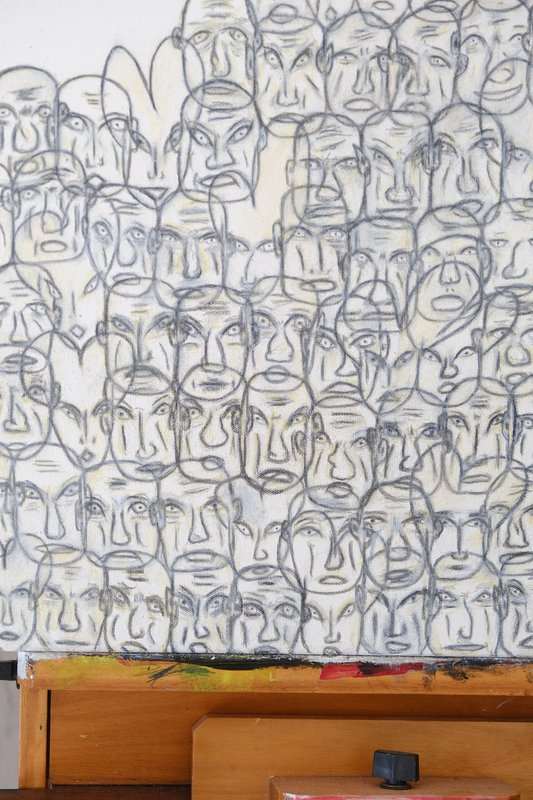
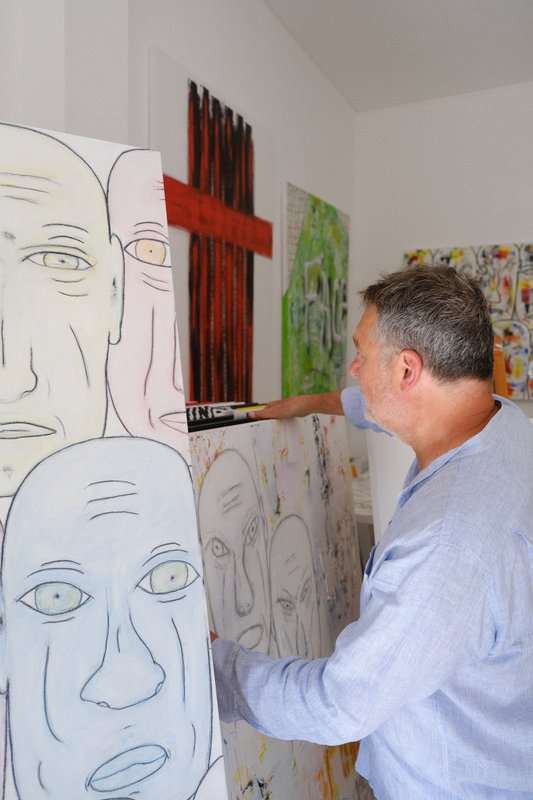
A multiplicity of faces and heads accumulates across the canvas — Humanity, a man, men. The element that is today the characteristic of the visual language of Samuel CHNOPS.
A plastic and conceptual research centred on human nature and the structure of the living.
L’Homme, un homme, des hommes
CHNOPS is the abbreviation of the six chemical elements — carbon, hydrogen, nitrogen, oxygen, phosphorus, sulphur — that lie at the base of every form of life. Under this name, the French artist Samuel develops a plastic and conceptual research centred on human nature and the structure of the living.

Samuel CHNOPS was born in France in the second half of the twentieth century. He spent his childhood in a psychiatric clinic where both of his parents — psychiatrists — lived and worked. That environment, at the crossroads of science, the observation of human behaviour, and reflection on the psyche, deeply shaped his philosophical and artistic thinking.
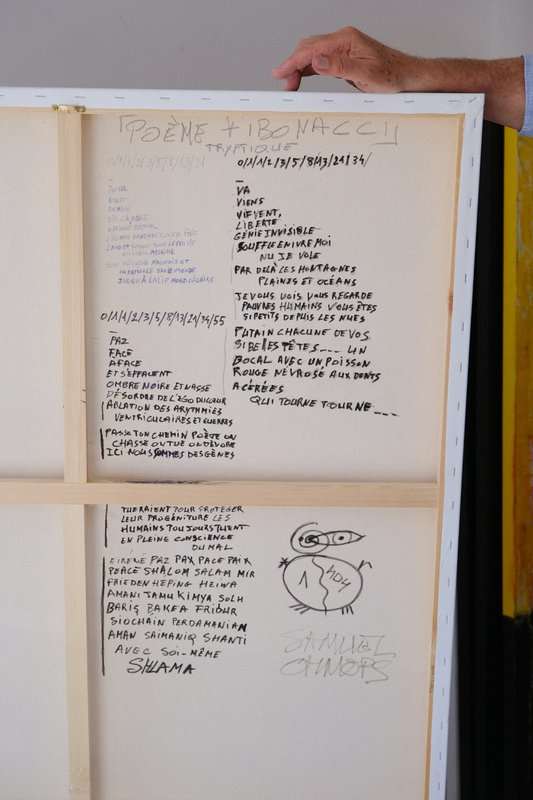
From an early age he was drawn to science, philosophy, and the search for a language capable of expressing the inner world. To date he has written more than three hundred poems — poetry was one of the first modes of his artistic expression.
He later devoted himself professionally to photography and the audiovisual, deepening his relationship to image, light and visual perception. At the age of fifteen he made his first portrait in charcoal — dark, blurred, almost spectral. This first apparition is the point of departure of his pictorial approach, centred on faces and heads, which would become the central motif of his work.
"The artist contemplates the Universe — from the Big Bang to perpetual creation, from black holes to the original whiteness of the canvas."
Over time he developed a deep reflection on the origin of the Universe, on evolution, on the birth of the human being, on individual and social behaviour, and on the path of the human — from birth to what Samuel calls «the eternal history». He summarises this thought in the formula: «L’Homme, un homme, des hommes» — Humanity, a man, men. From this reflection comes the multiplicity of faces and heads in his works, an element that today is the characteristic of his visual language.
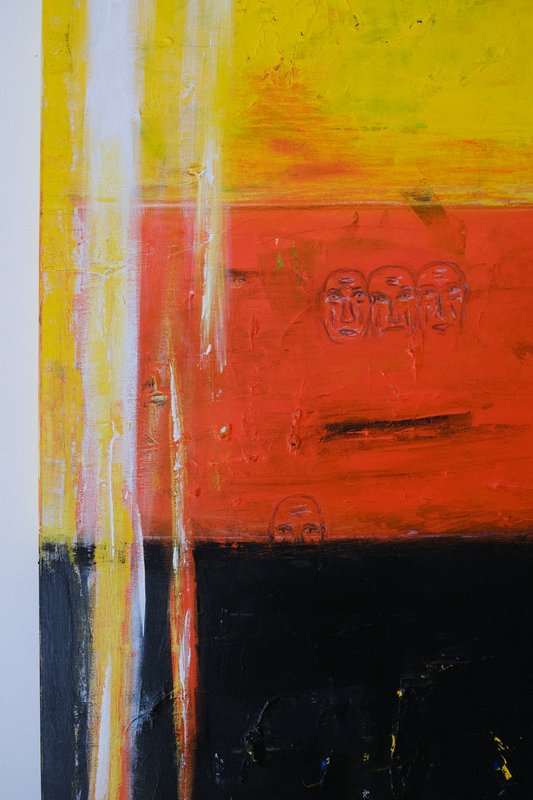
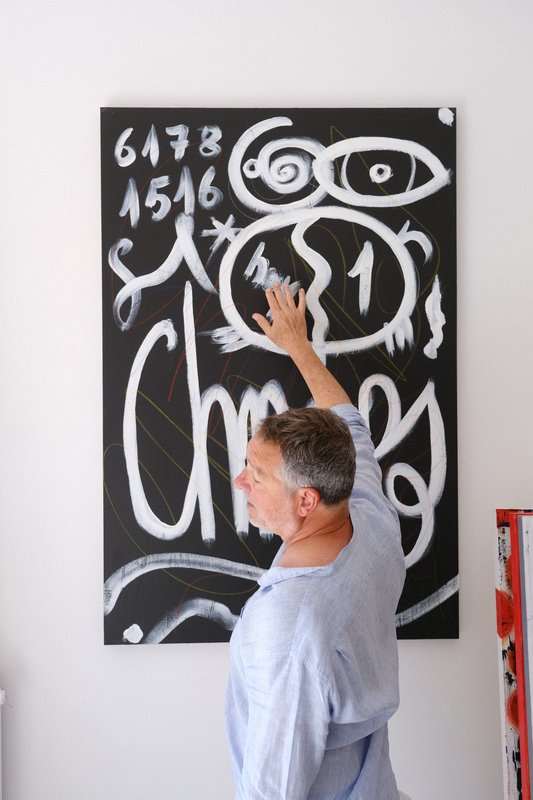
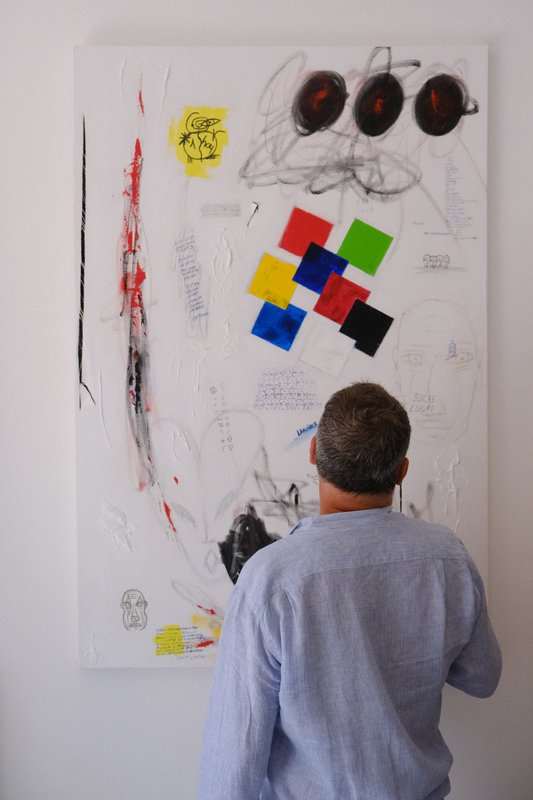
Mixed media on canvas, generally in 100 × 150 cm format, alongside works on natural kraft paper of various formats. Characteristic elements: multiplicity of faces and heads, texture, superpositions, philosophical symbolism.
His works have been presented in group exhibitions in Barcelona (2022, 2024), Paris (2022), Bergamo (2023) and at Art Dubai (2025). They are held in private collections in the United States, Spain, France and the United Arab Emirates.
Mixed media on canvas, generally 100 × 150 cm, alongside works on natural kraft paper of various formats. The recurring element of the visual language: a multiplicity of faces and heads.
A multiplicity of faces and heads accumulates across the canvas — Humanity, a man, men. The element that is today the characteristic of the visual language of Samuel CHNOPS.

The artist contemplates the Universe — from the Big Bang to perpetual creation, from black holes to the original whiteness of the canvas.

A reflection on the origin of the Universe, on evolution, on the birth of the human being, on individual and social behaviour, and on the path of the human — from birth to what Samuel calls the eternal history.

Characteristic elements: multiplicity of faces and heads, texture, superpositions, philosophical symbolism.

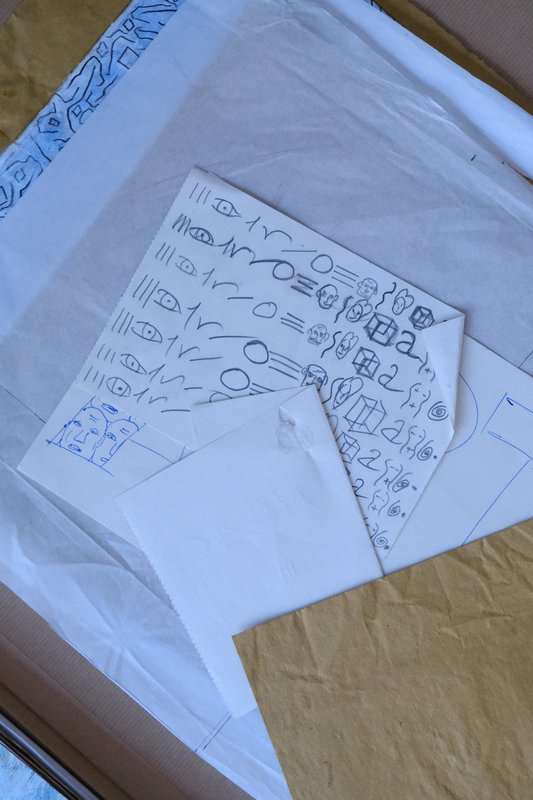
Alongside the canvases, the artist also realises works on natural kraft paper of various formats — a counterpoint to the large mixed-media pieces.

At the age of fifteen, a first portrait in charcoal: dark, blurred, almost spectral. The point of departure of his pictorial approach, centred on faces and heads, which would become the central motif of his work.
Works organised by series — each tile is one painting, with multiple photographs of it inside.
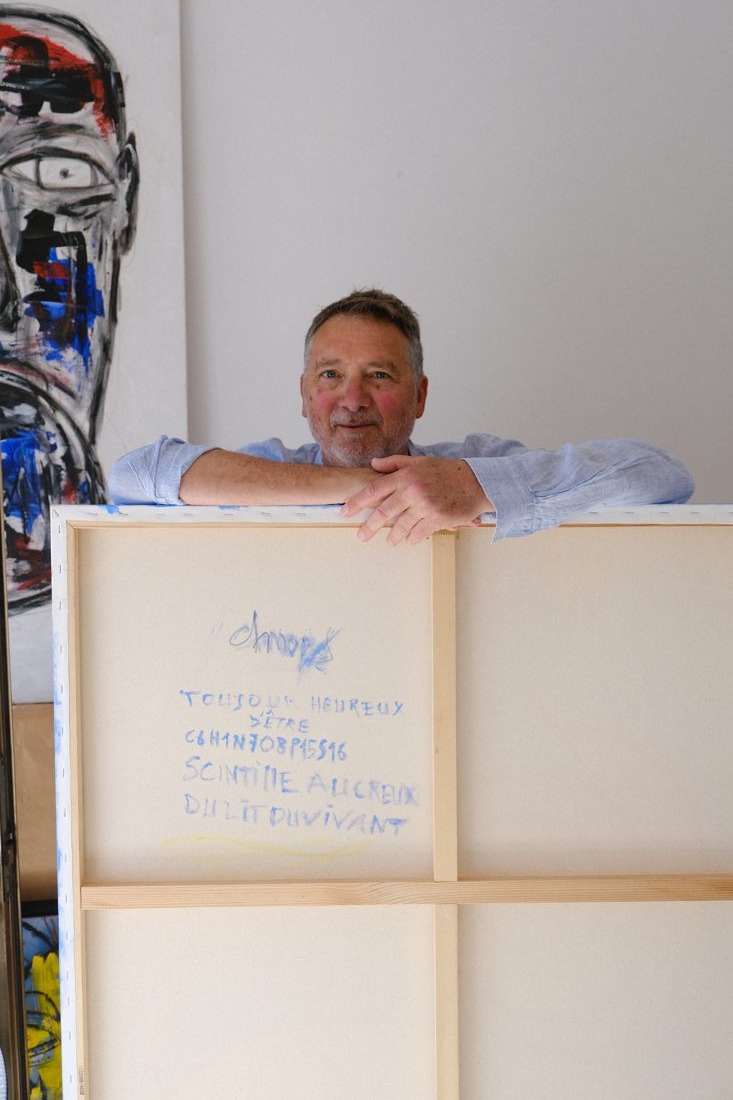
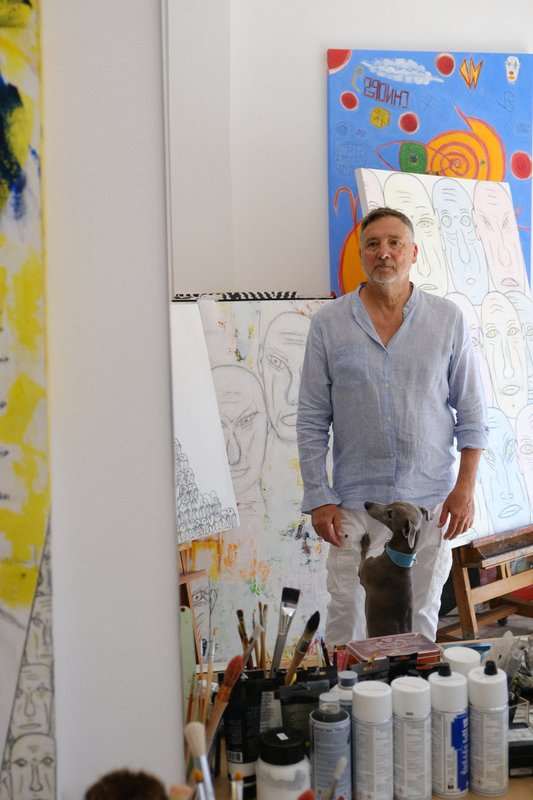
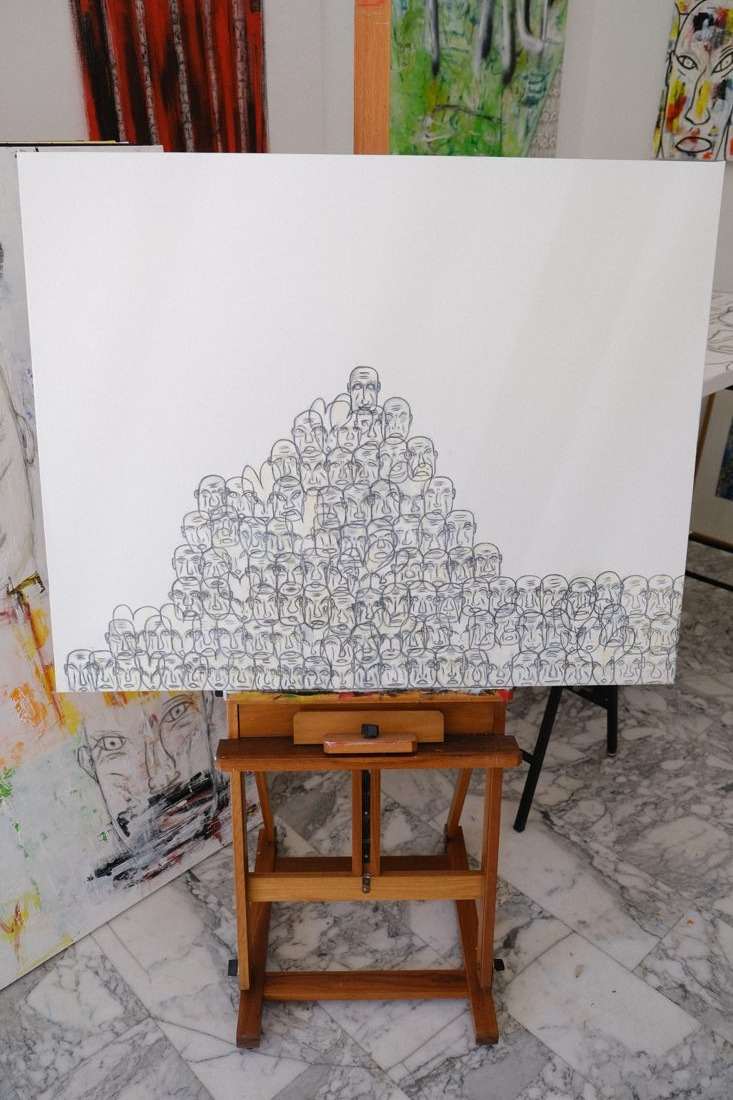
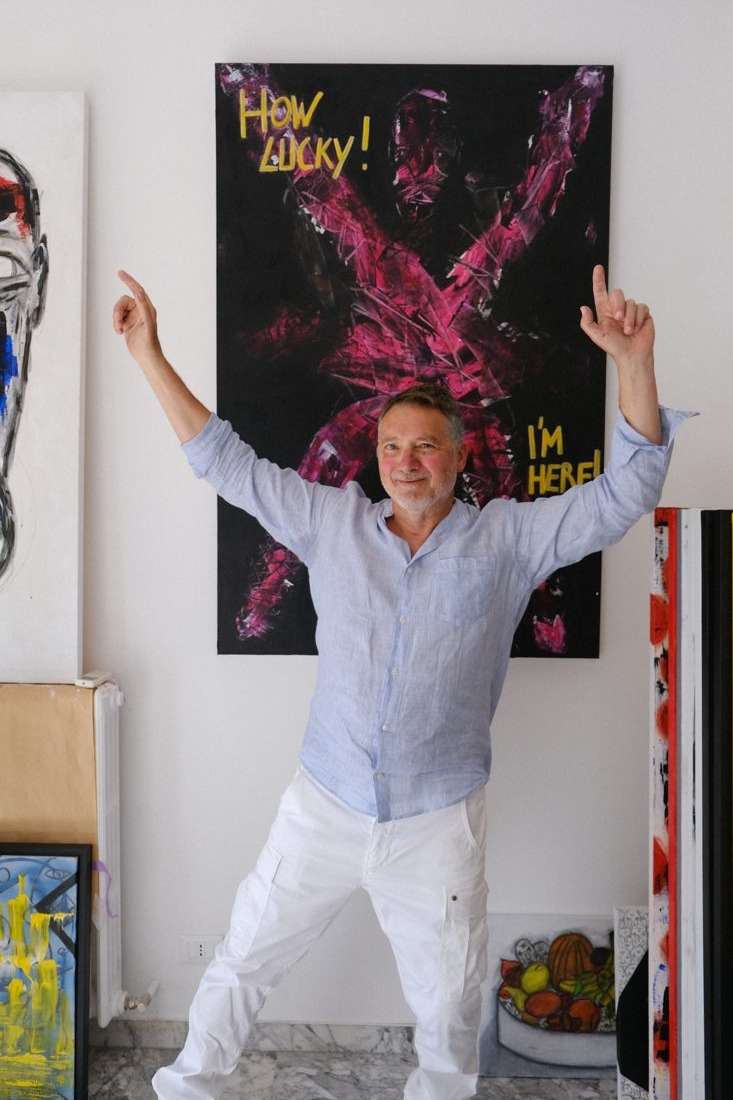
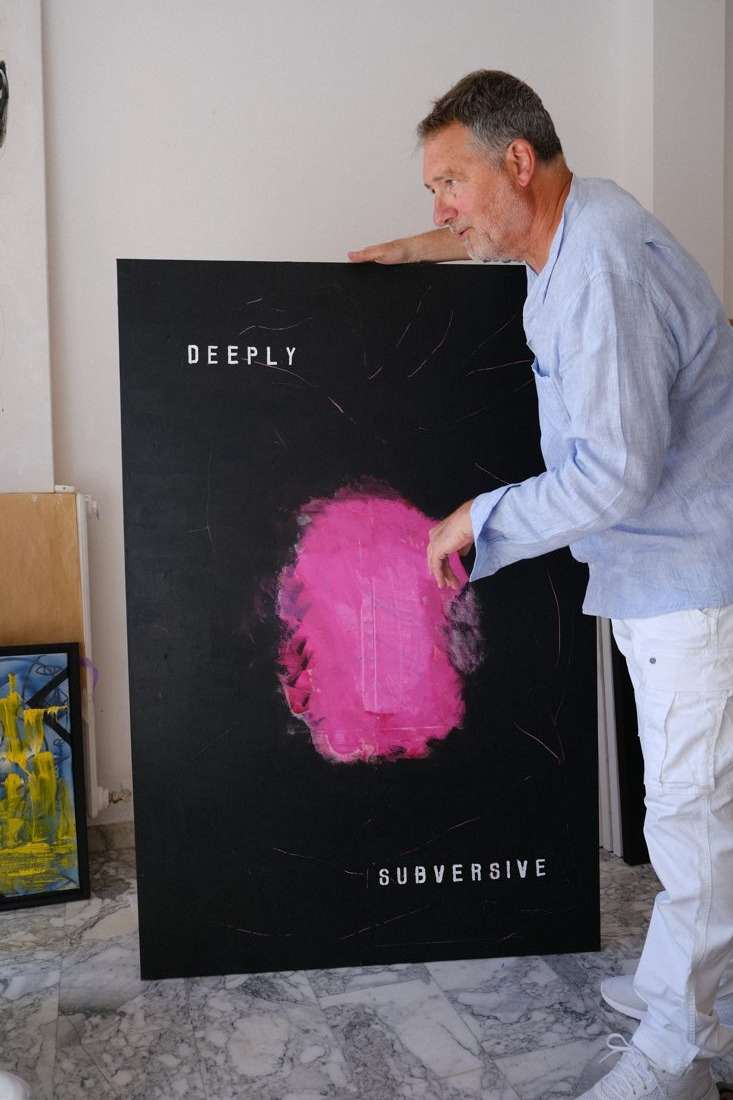
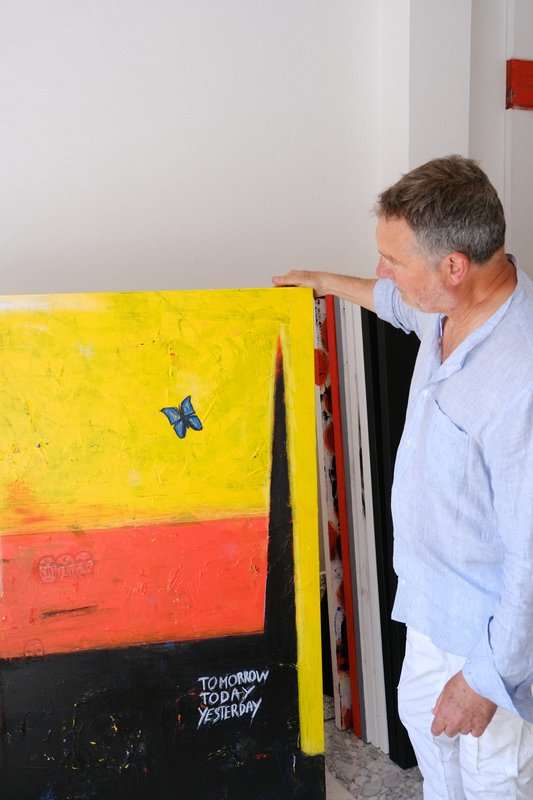
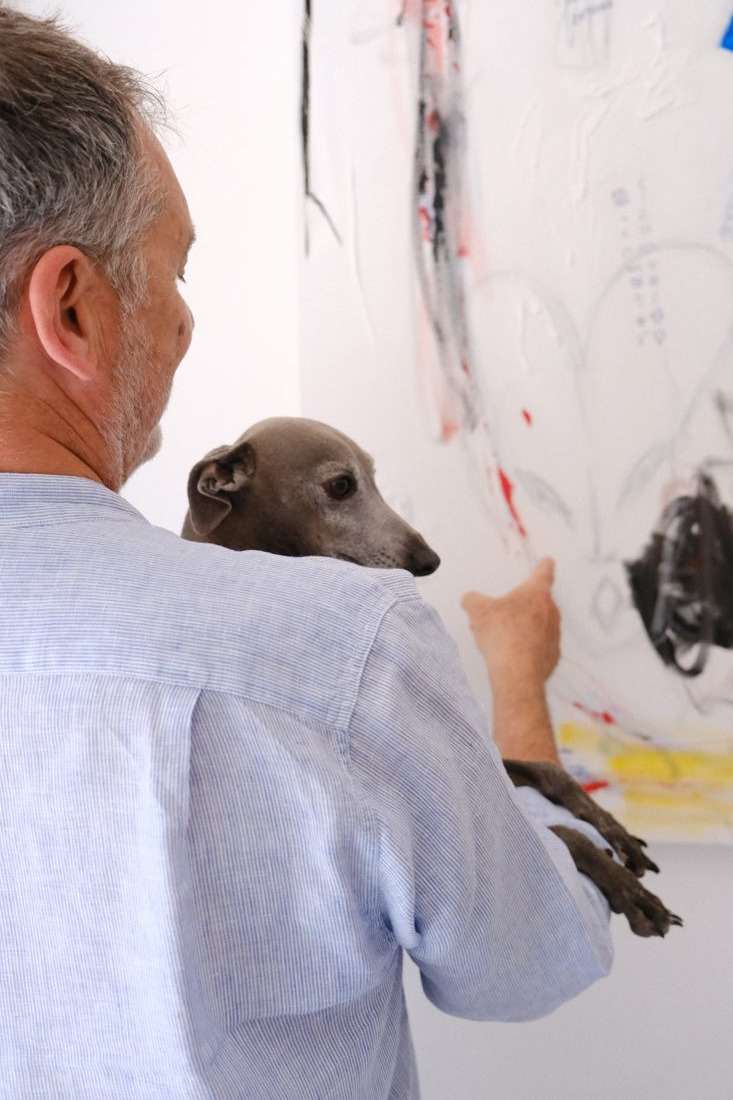
The studio — the artist at work, the canvas in progress.
The room, the table, the brushes — the daily geography of the work.
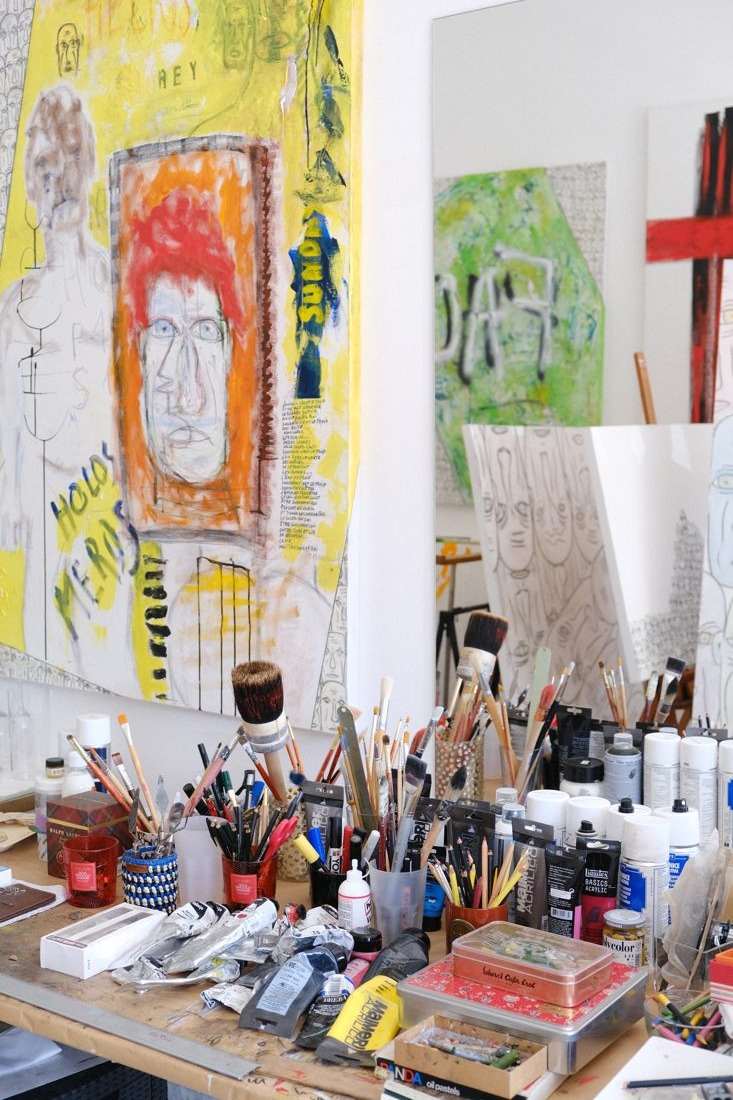
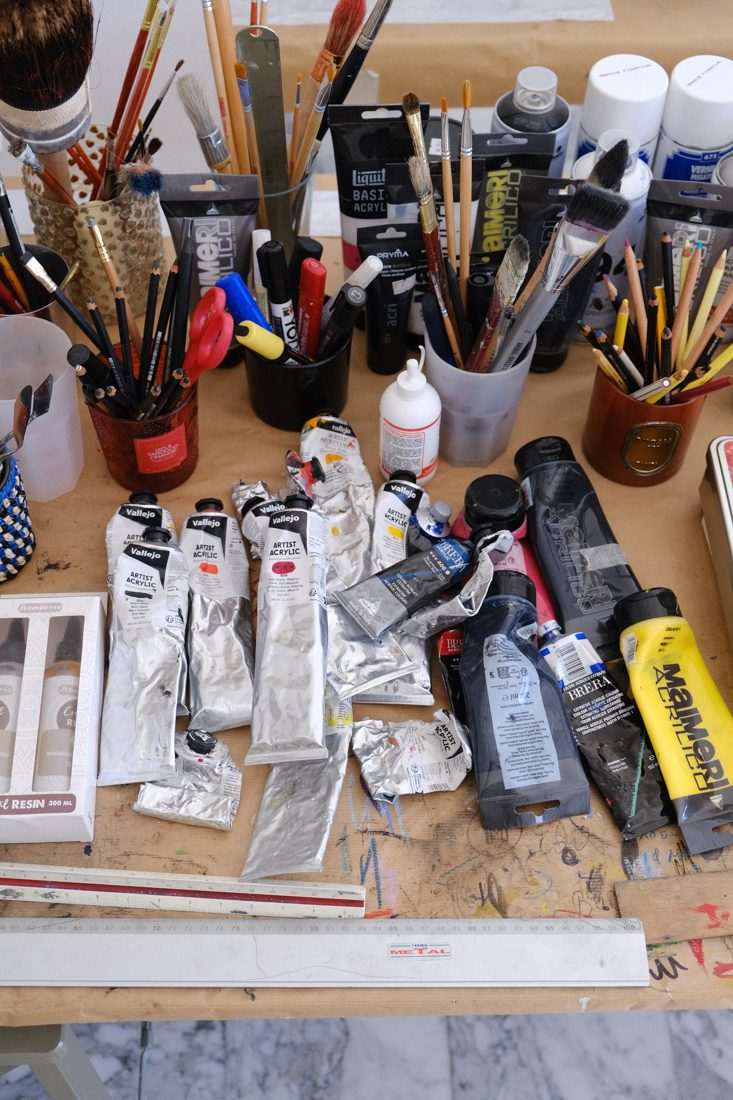
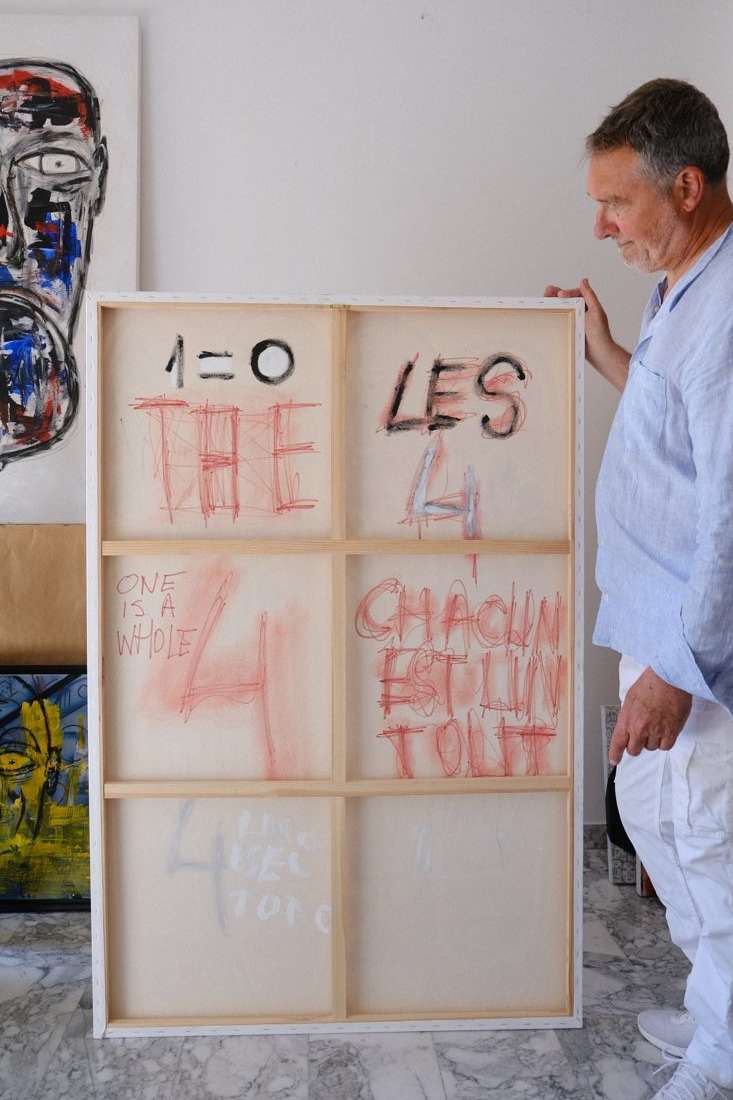
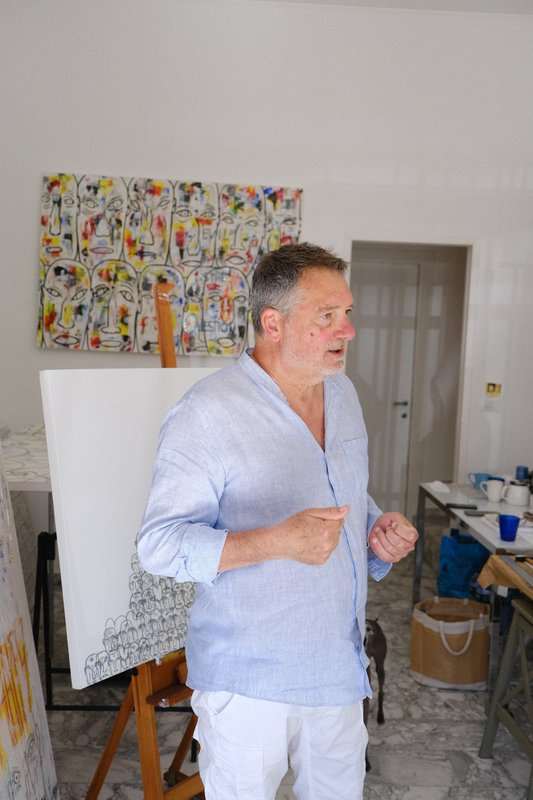
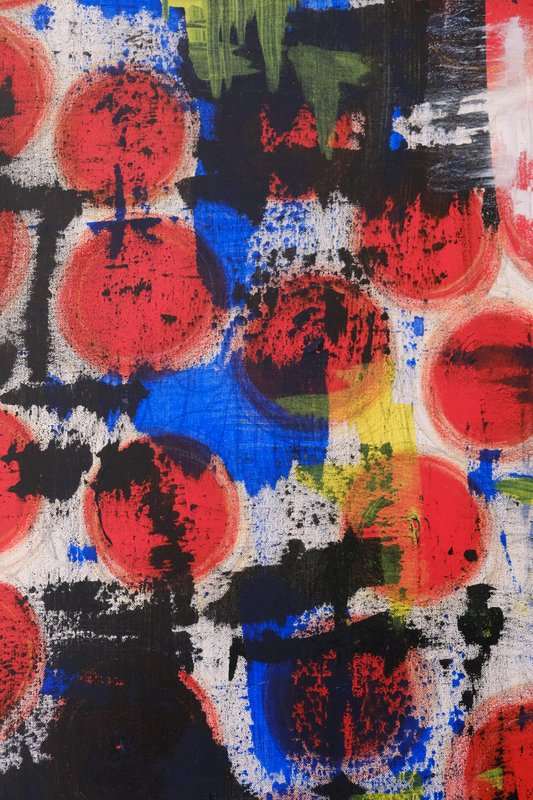
The hand on the canvas, the body in the gesture.
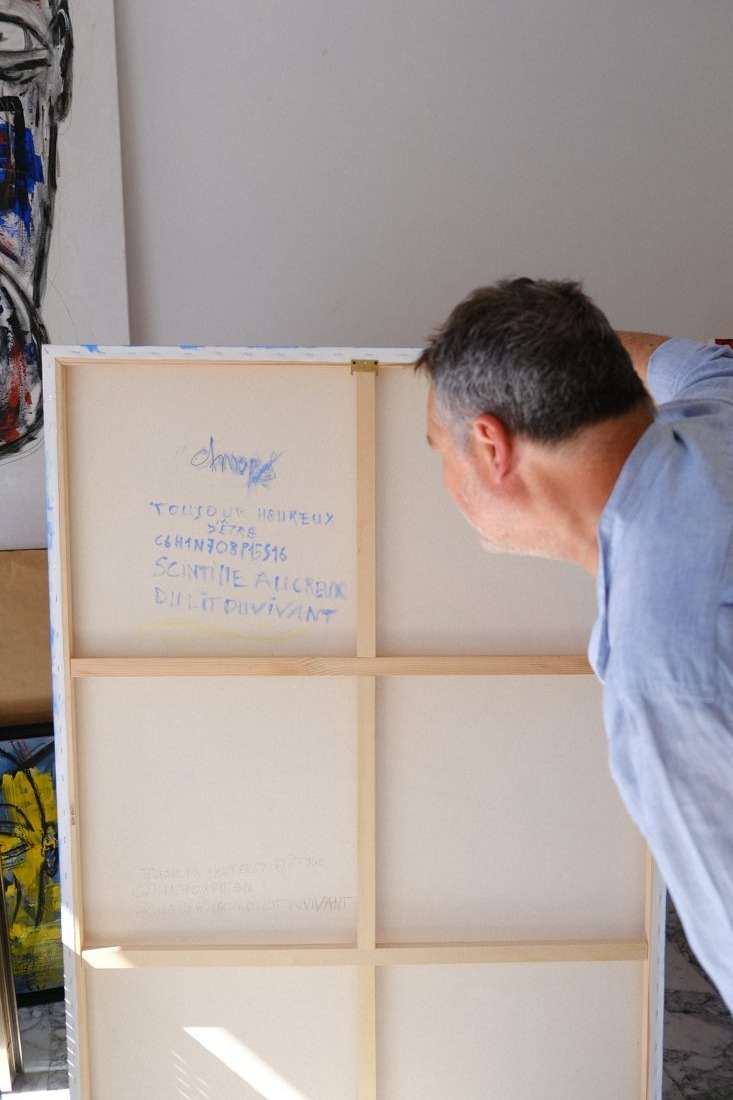
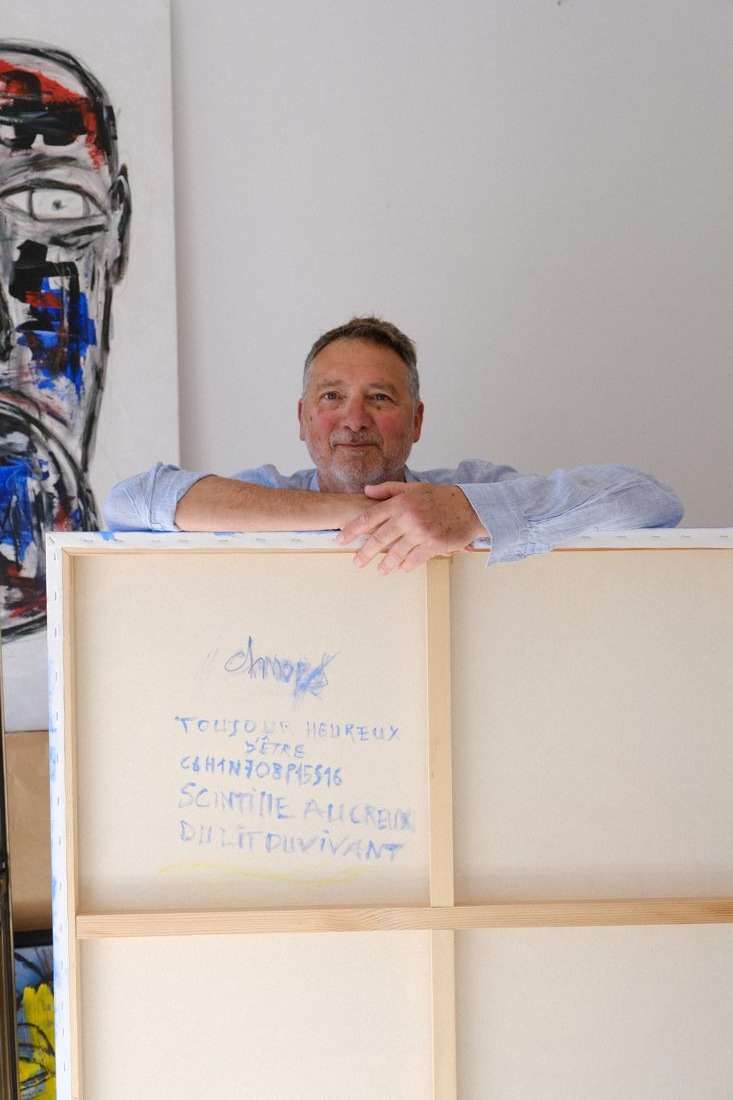
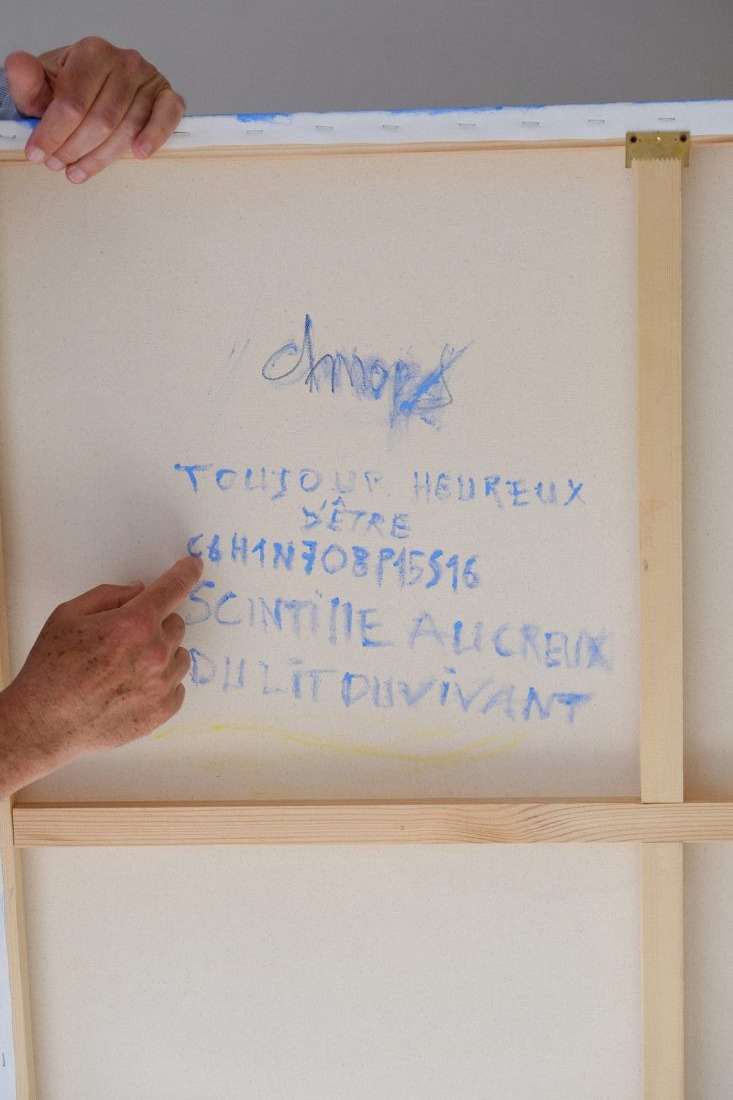
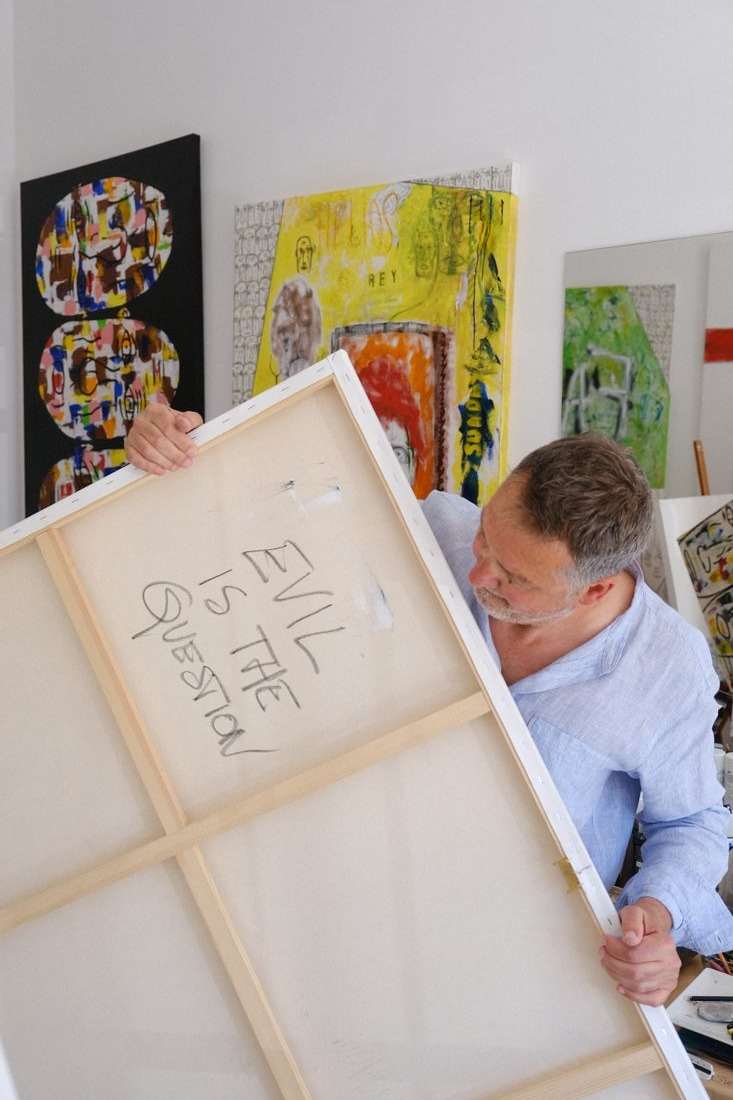
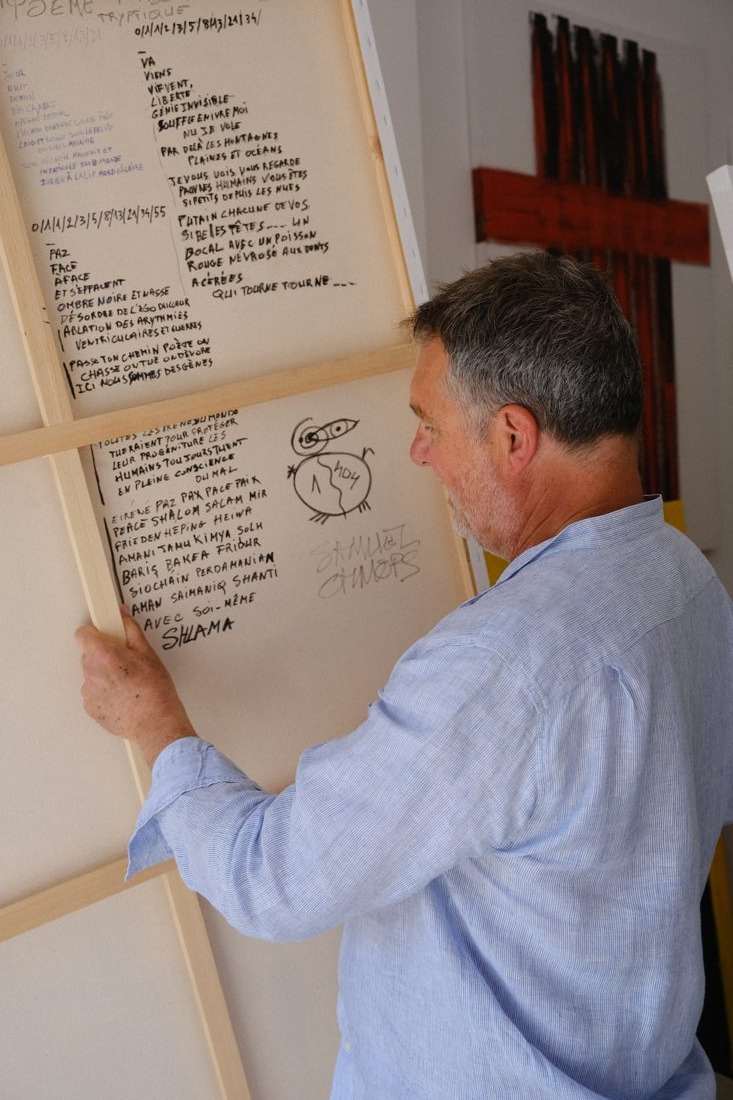
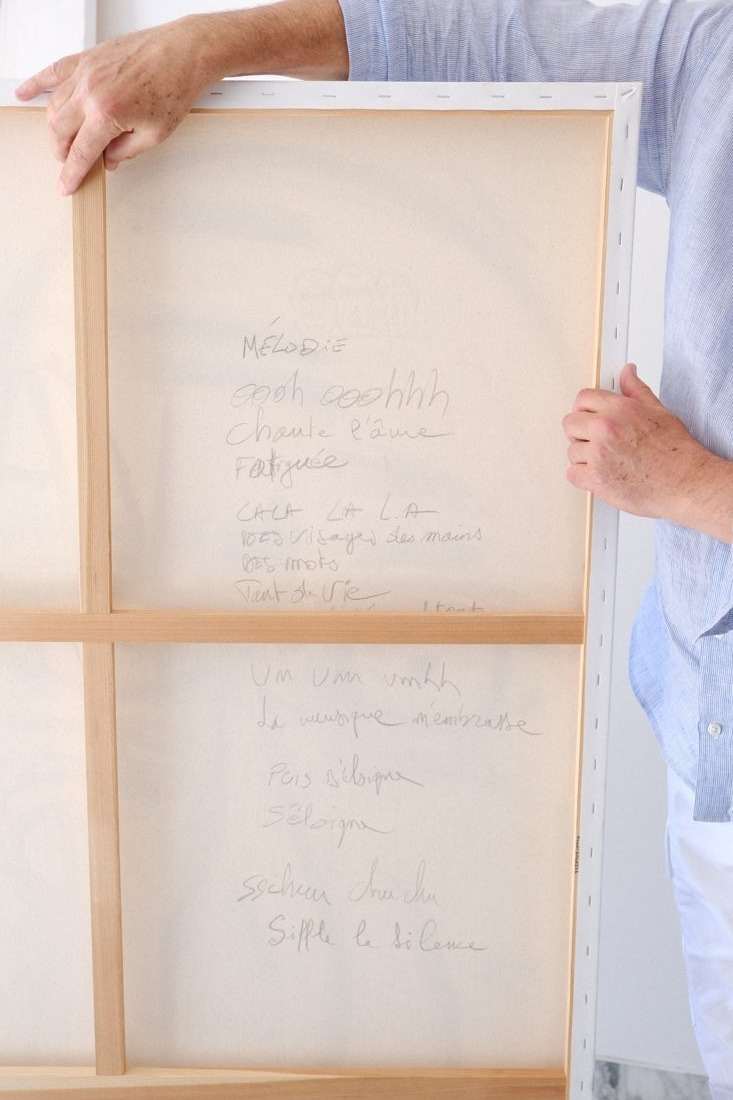
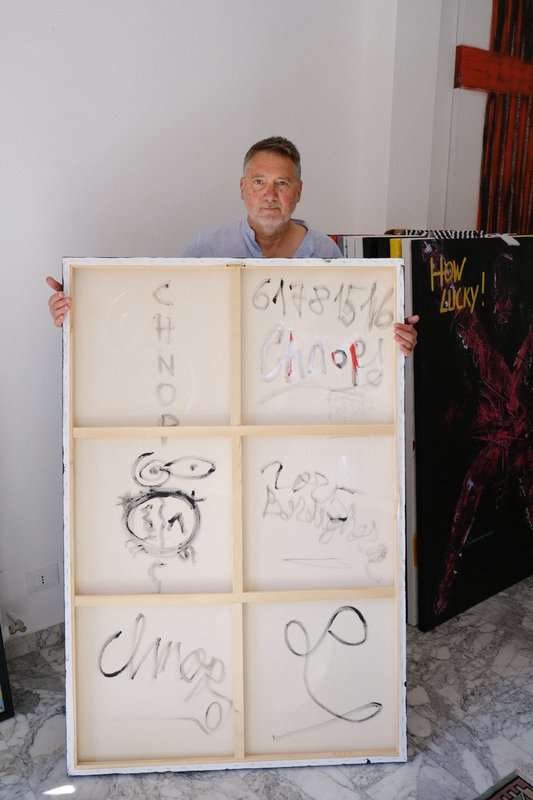
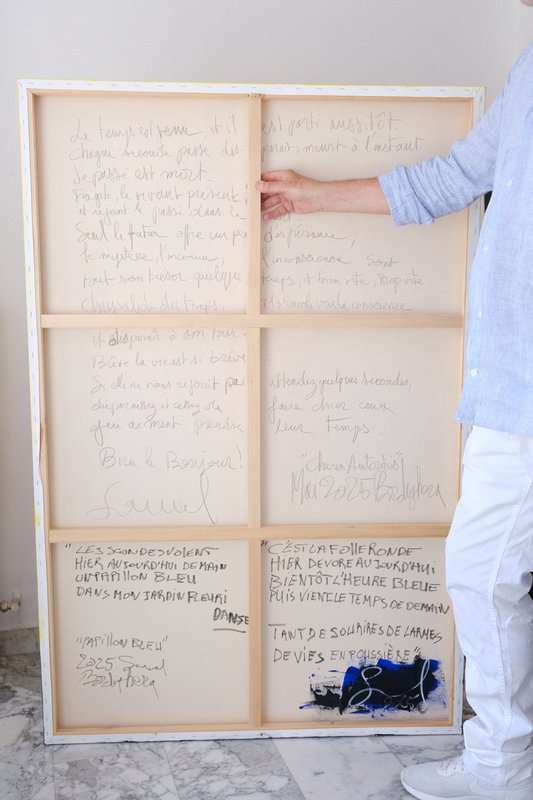
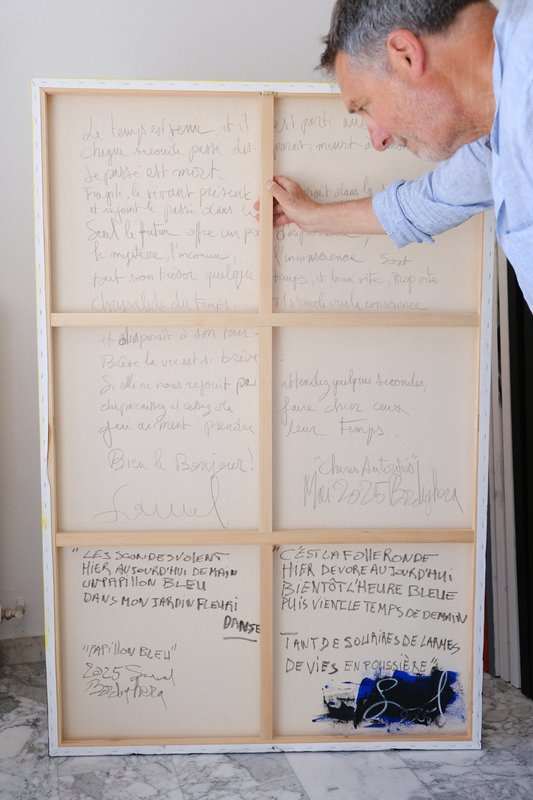
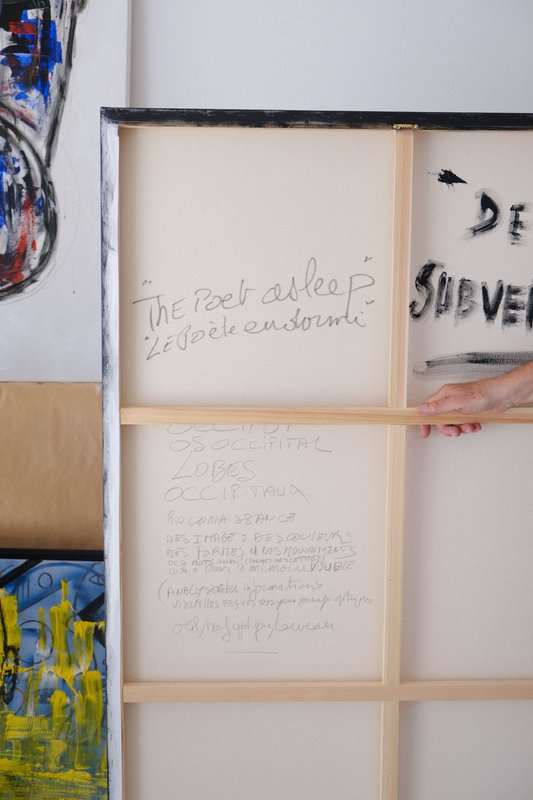
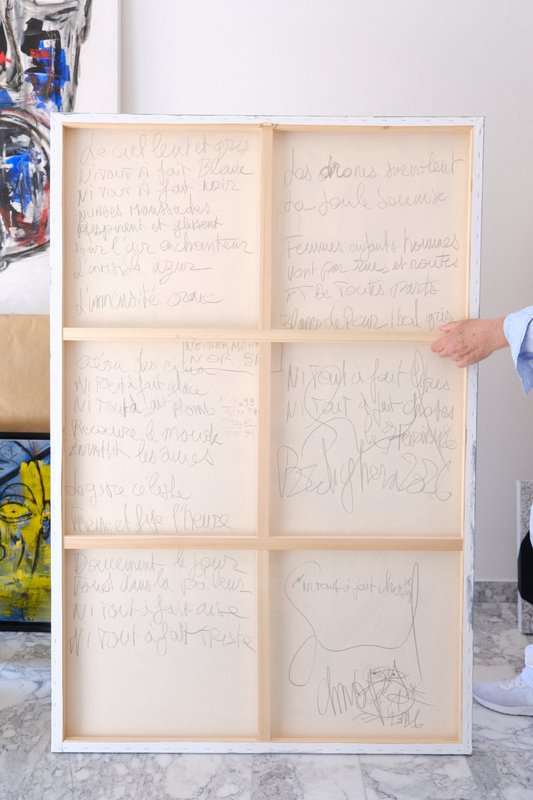
Every canvas carries a hidden poem on its back — a private dedication, a date, a thought.
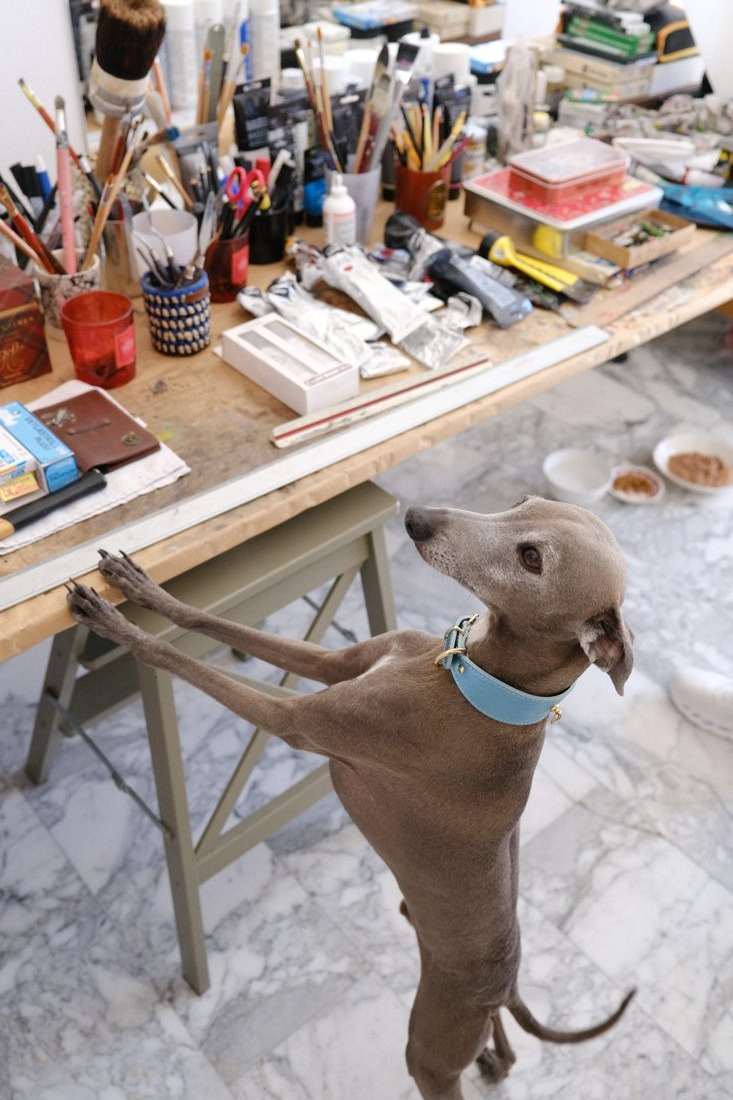
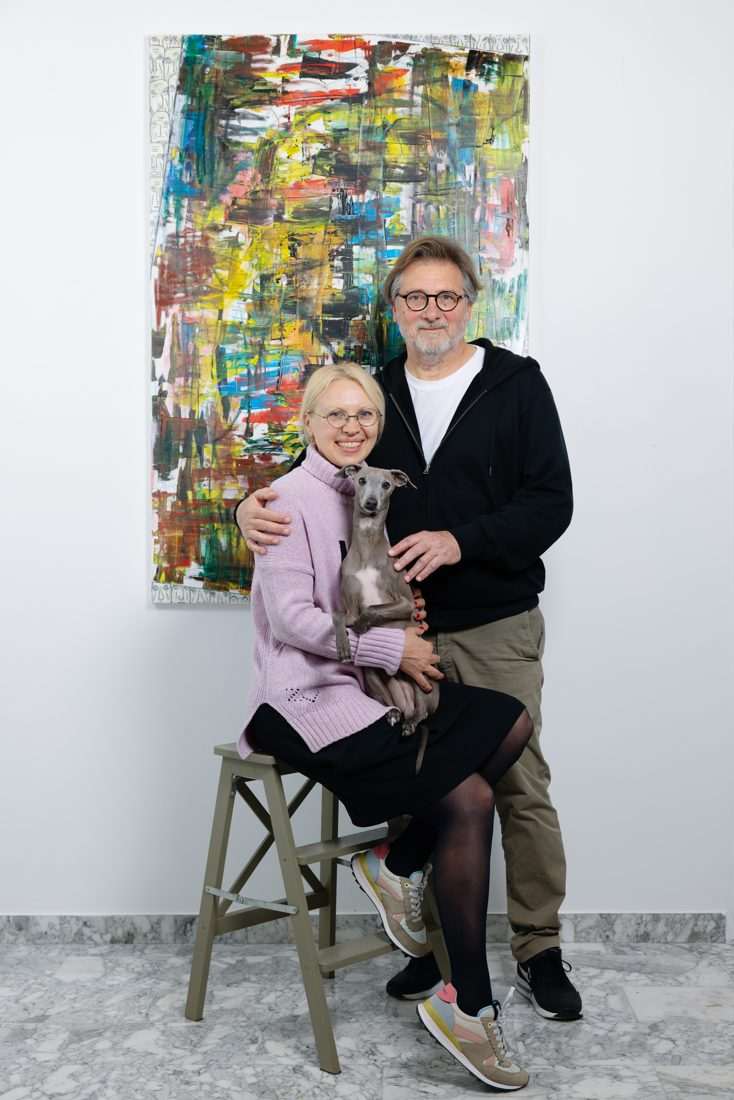
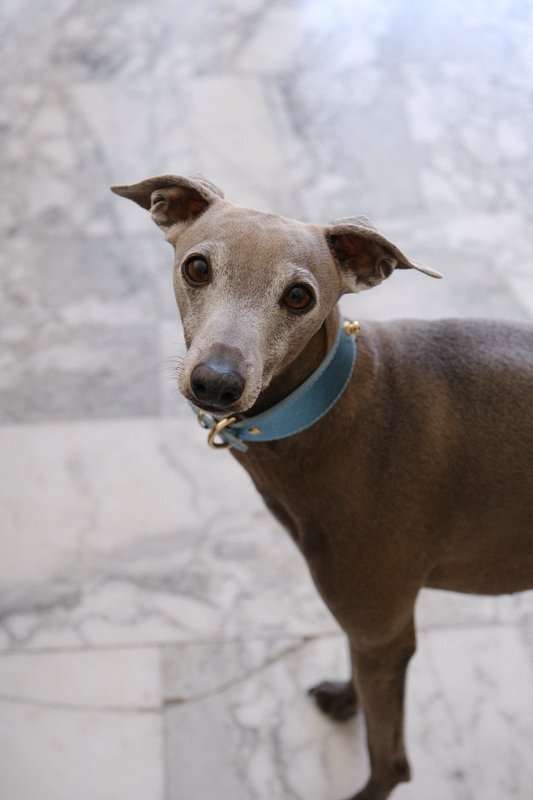
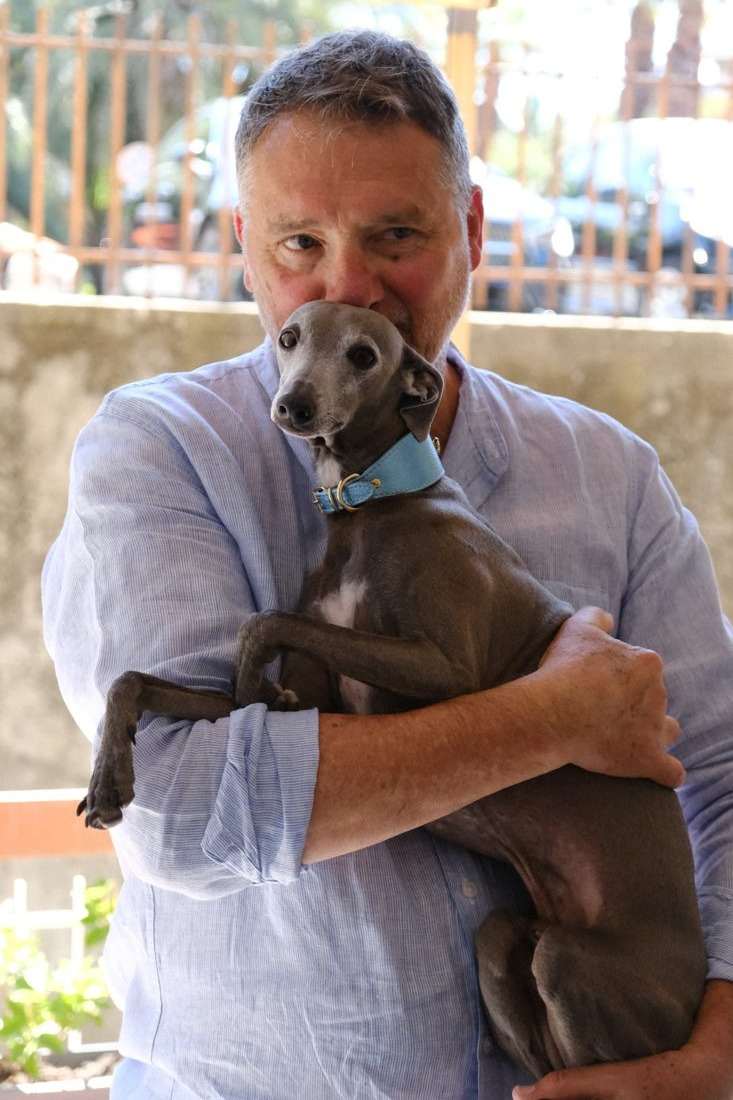
The studio's silent companion — the artist's greyhound.
Group exhibitions and private collections.